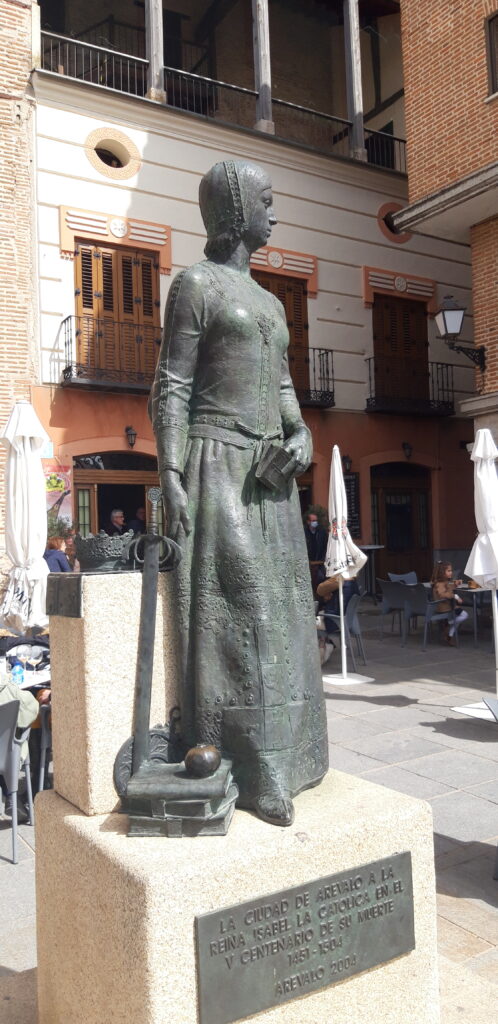
Arévalo is a town in the province of Ávila, in the autonomous community of Castile and León, with a population of approximately 8,000 inhabitants. After the death of her father in 1454, Isabel moved from
Madrigal de las Altas Torres to Arévalo together with her mother and her younger brother
Alfonso. During this turbulent period, the town offered a relatively safe place of residence, which was important given the tensions between powerful noble families and the power vacuum that had arisen following the death of
King Juan II.
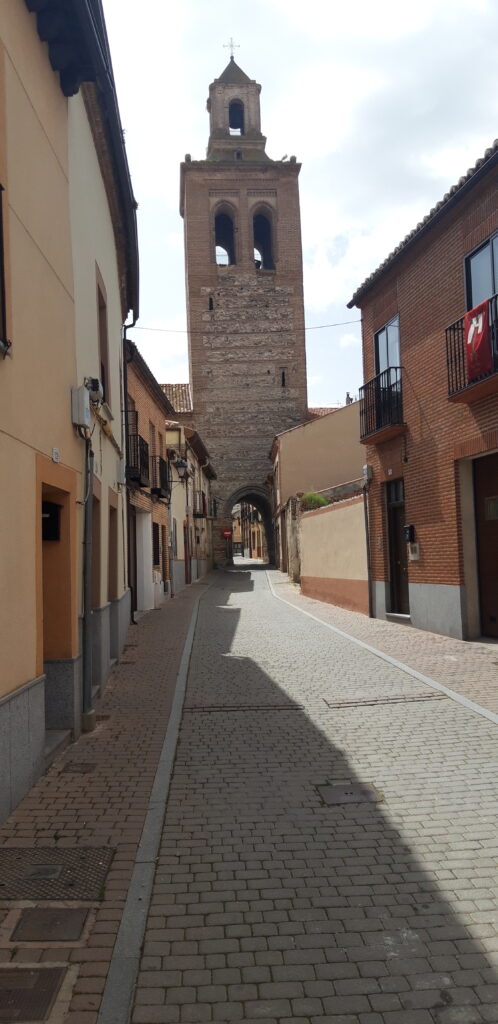
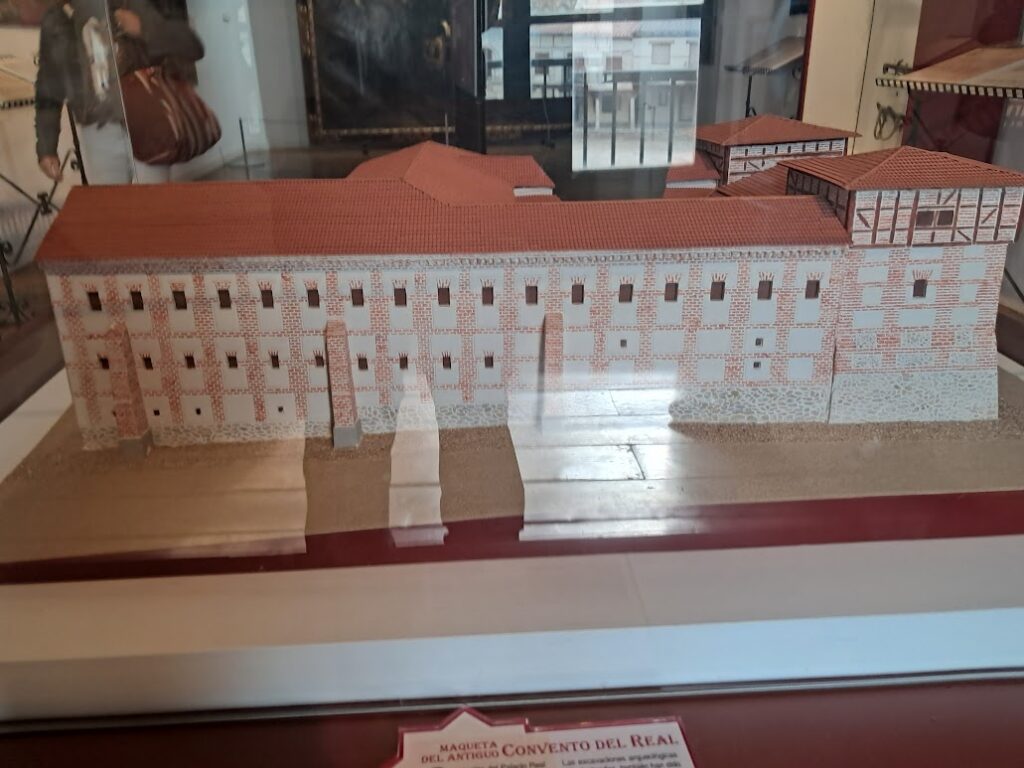
In present-day Arévalo, several sites still recall Isabel’s presence, both as a child and later as queen. The Plaza de la Villa, with the Casa de los Sexmos, was the centre of festivities and important events. On the Plaza del Real stood the Casas Reales, where Isabel stayed whenever she was in Arévalo. In El Arrabal were the markets that she exempted from taxation. The Monasterio de San Francisco played an important role because of the presence of influential friars and because it served for a time as a royal burial place. In the Monasterio de la Trinidad, the Virgen de las Angustias was venerated, a devotion that Isabel helped spread beyond Arévalo.
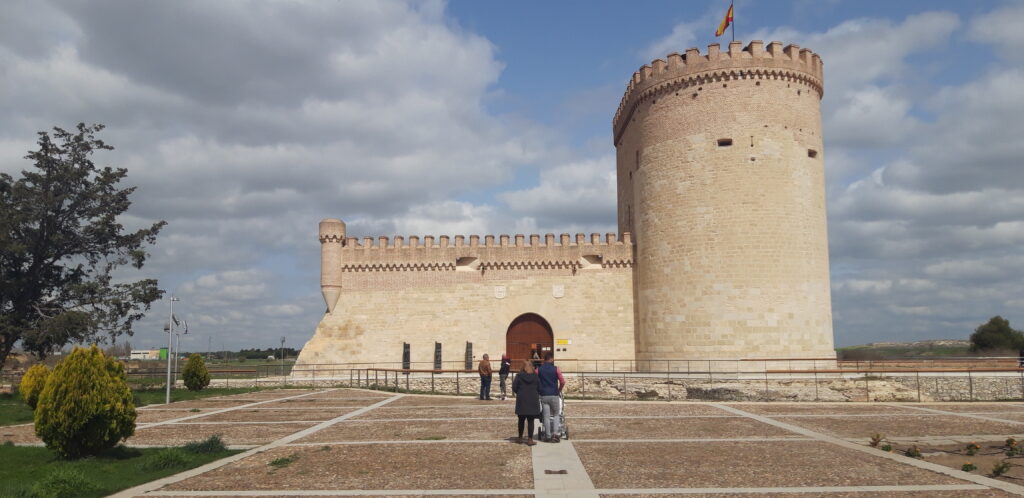
The Castillo de Arévalo primarily served a military function. It is often mistakenly believed to be the place where Isabel lived. The conversion of the fortress into an artillery stronghold was initiated by Isabel herself during the final years of her life. Later, between 1578 and 1596, Philip William of Orange-Nassau, the eldest son of William of Orange, was held prisoner here.
Arévalo is also renowned for its cochinillo. This traditional dish is prepared from suckling pig roasted until the skin becomes crisp while the meat remains tender. The piglets come from local farmers in and around Arévalo. They are fed exclusively on their mother’s milk and are raised naturally in the fields of the region. The best-known place to enjoy cochinillo, also known as tostón, is El Figón de Arévalo, although Desirée Asador Casa Felipe and Asador La Posada are also excellent choices.
The name Arévalo derives from the Celtic arevalon, meaning “the place by the wall.” The town lies at an altitude of 820 metres, at the confluence of the Adaja and Arevalillo rivers. Arévalo is known as la ciudad de cinco linajes (“the city of five lineages”) and played a strategic role during the Middle Ages because of its location between the two rivers.